
What is unlucid app, and what is it for?

In short, Unlucid is a name associated with AI-assisted visual creation, including video ideas. This guide explains the concept rather than claiming that every version or service using the name has the same features.

Visual artwork illustrating an AI-assisted creative workflow

How it works

A useful way to understand the workflow is to separate the creative brief from the generated result. Available controls may differ between services.

  1. 1

    Describe the scene

    Begin with a subject, setting and action. For a video idea, describe what should change over time: a person turning toward the camera, for example, or a landscape revealed by a slow camera move. A specific brief gives Unlucid-related tools more direction than a single mood word.

  2. 2

    Supply a reference if supported

    Some visual workflows start from an existing image, while others start from text. If the service you open accepts an image, use one you have permission to upload and say which details should remain recognizable. Check the available input options rather than assuming every Unlucid surface accepts the same material.

  3. 3

    Review and revise

    Look for consistency in the subject, motion and framing. If the result misses the intention, revise one part of the brief at a time: change the action, simplify the background or specify the camera movement. Treat the first output as a draft, not proof that a particular prompt will always work.

Can and cannot do

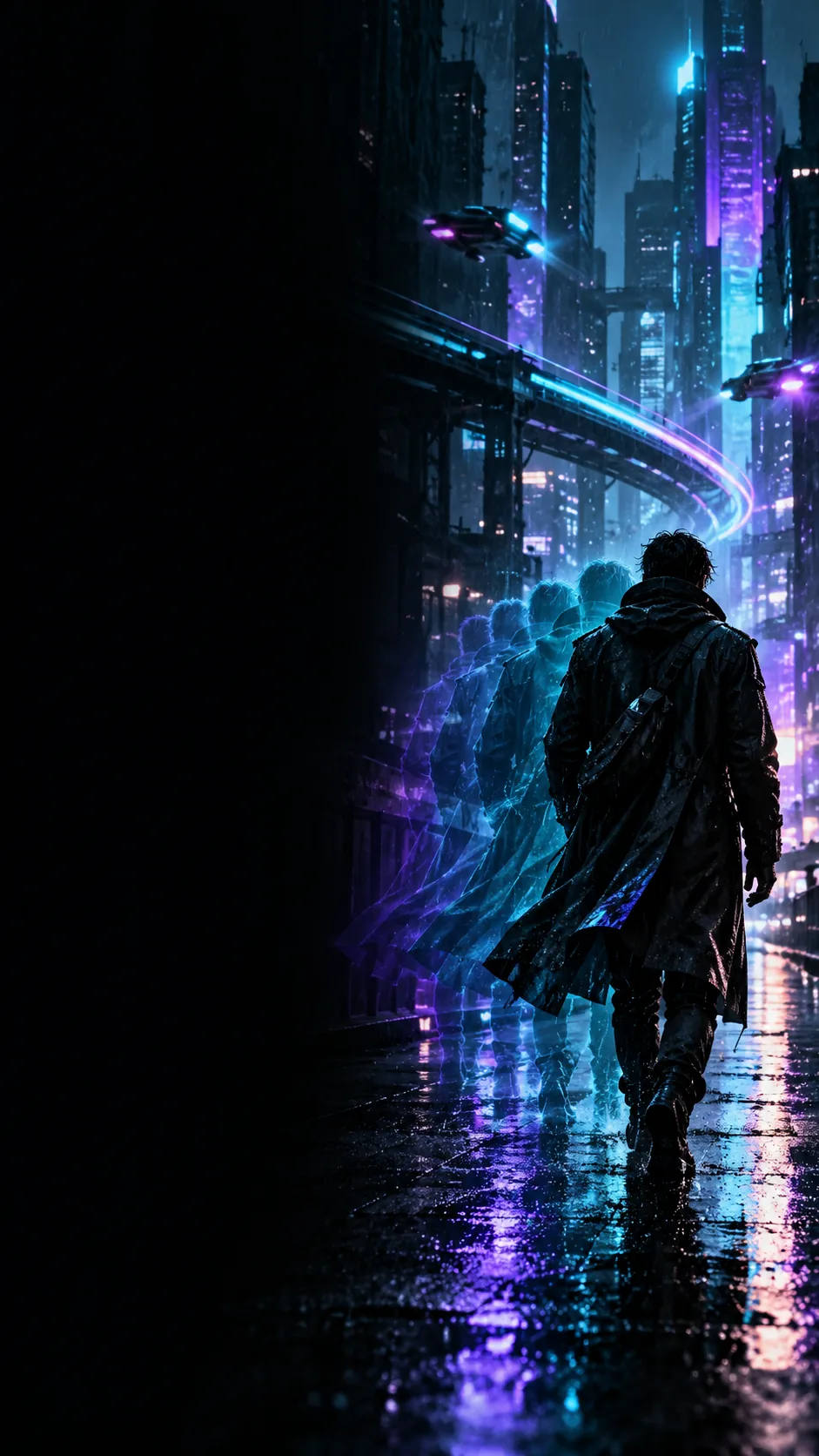
Visual examples can explain the difference between a source and a creative interpretation, but they do not establish which inputs, exports or controls a particular service offers.

Original still image used as the reference for a flying scene Starting image
Creative interpretation showing a figure with a fantasy flying effect Illustrative interpretation
This pair illustrates a possible creative direction, not a verified Unlucid output or a promise that the service can animate this image. AI visuals may change faces, objects or backgrounds unexpectedly; inspect any result before sharing it.

Who uses it

The idea appeals to people exploring visual stories, but the right workflow depends on whether they need inspiration, a source image or a finished video.

Curious first-time visitor

Someone has encountered the name Unlucid and wants to know whether it refers to a creative tool or an ordinary dictionary word.

They can clarify the term before deciding whether to explore video creation. The unlucid meaning page distinguishes the word from the product name.

unlucid meaning

Storyboard artist

An artist wants to describe a short camera move and compare the resulting concept with a planned shot.

They can use the exercise to test composition ideas, while checking the available interface separately. The unlucid app page discusses the app-oriented search in more detail.

unlucid app

Social video creator

A creator has a still-image concept and wants to explore how movement might change its mood.

They can write a focused motion brief, then verify which creation options are actually available. The unlucid online ai generator page addresses the generator-oriented search.

unlucid online ai generator

Explore a video idea

Turn a scene description into a clearer creative brief

Start with a subject, an action and a camera direction, then inspect the destination’s current options before submitting images or personal material. Unlucid is best understood here as a starting point for exploring visual ideas, not a guarantee of any specific output or feature.

Explore video creation
  • Write down what should move
  • Check supported inputs at the destination
  • Review results before sharing

Questions about the app

People searching that phrase are generally looking for an explanation of Unlucid as an AI-assisted visual creation experience. A practical use is to explore a scene or video concept from a written idea. Check the service you visit for its current tools and supported inputs, since the name alone does not establish a feature list.

Do not assume it works like a conventional timeline editor with manual cuts, tracks and frame-by-frame controls. An AI-assisted workflow typically starts with a description or reference and asks you to evaluate the result. If precise editing is essential, inspect the current interface and export options before planning your project around it.

That depends on the input options offered by the destination you use. A text description may be enough for some creative workflows, while an image-based workflow needs a suitable source picture. If you upload an image, make sure you have the right to use it and avoid including information you would not want to share.

No exact match should be assumed. Generated visuals can interpret motion, identity, lighting or background details differently from the brief, especially when instructions compete. Use clear, limited directions and inspect each result; revise the description when a detail matters rather than treating the first attempt as final.

Not necessarily. A search term can refer to a product, a web page or a discussion about the name, and those sources may describe different experiences. Confirm the identity of the destination and read its current terms and privacy information before submitting content.

Start creating
Start creating